by Deb Whitehorse | Feb 15, 2026 | 2025-2026, 2026 Northwest, Home Page, NIYA, Regattas, Renegade, WSSA

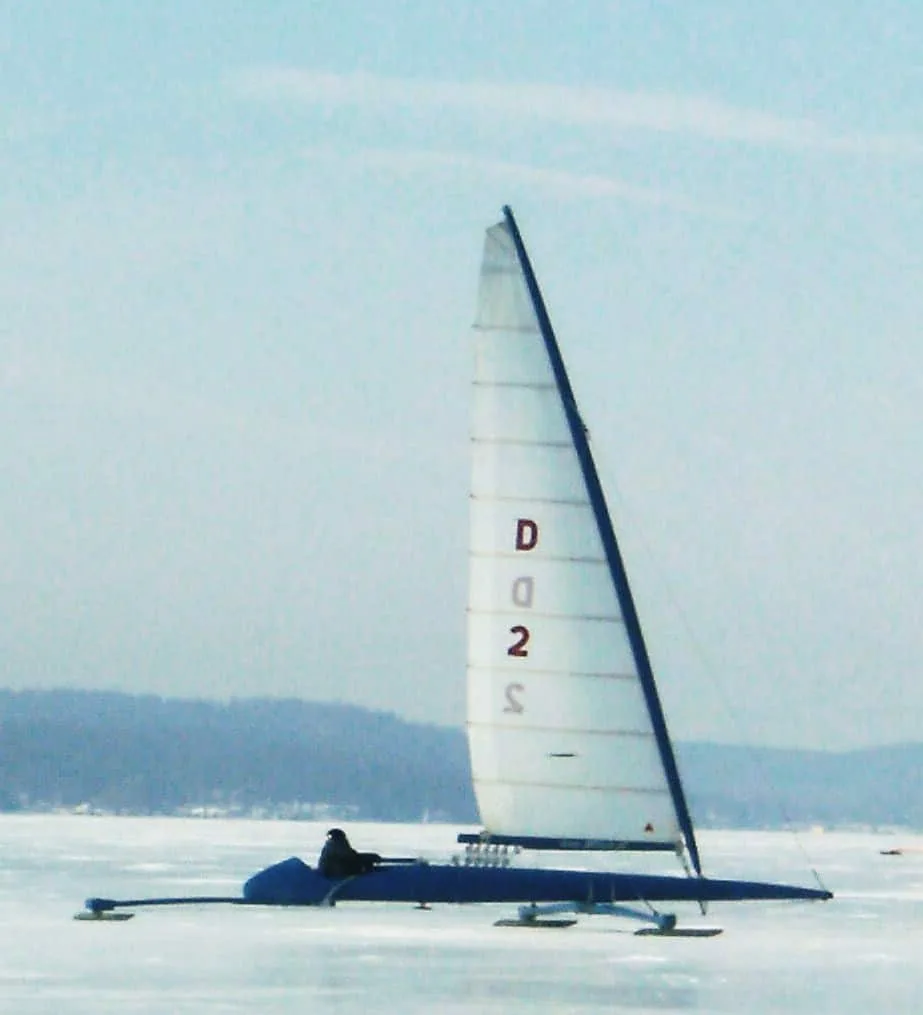
Green Lake, WI. Photo Jim Stevenson
The wind did not cooperate or obey the computer wind models this weekend (February 13 – 15.) Nobody got chilly, but the DNs and A skeeters got only two races in, and the Renegades, Stern Steerers and B/C Skeeters only got one. The races sailed are discarded, and we start from scratch starting Friday February 27th.
The locations possible range from somewhere on Green Bay, through Madison and out to Lake Pepin.
Steve Schalk
Secretary/Treasurer
Northwestern Ice Yachting Association
Gallery From Jim Stevenson
Like this:
Like Loading...
by Deb Whitehorse | Feb 14, 2026 | 2026 Northwest, Home Page, NIYA
Sunday’s NIYA races will start at 8:30. Renegades up first followed by Stern Steerers, then resume the normal rotation. Via Steve Schalk NIYA Secretary Treasurer
Like this:
Like Loading...
by Deb Whitehorse | Feb 11, 2026 | 2026 Northwest, DN, Home Page, NIYA, Regattas, Renegade, WSSA

REGISTER
The 2026 Northwest Regatta has been called ON for February 13-15 at Green Lake, WI. Please see the NIYA page for online registration, launch, lodging, schedule, and more.
Like this:
Like Loading...
by Deb Whitehorse | Feb 11, 2026 | Home Page, Regattas, WSSA

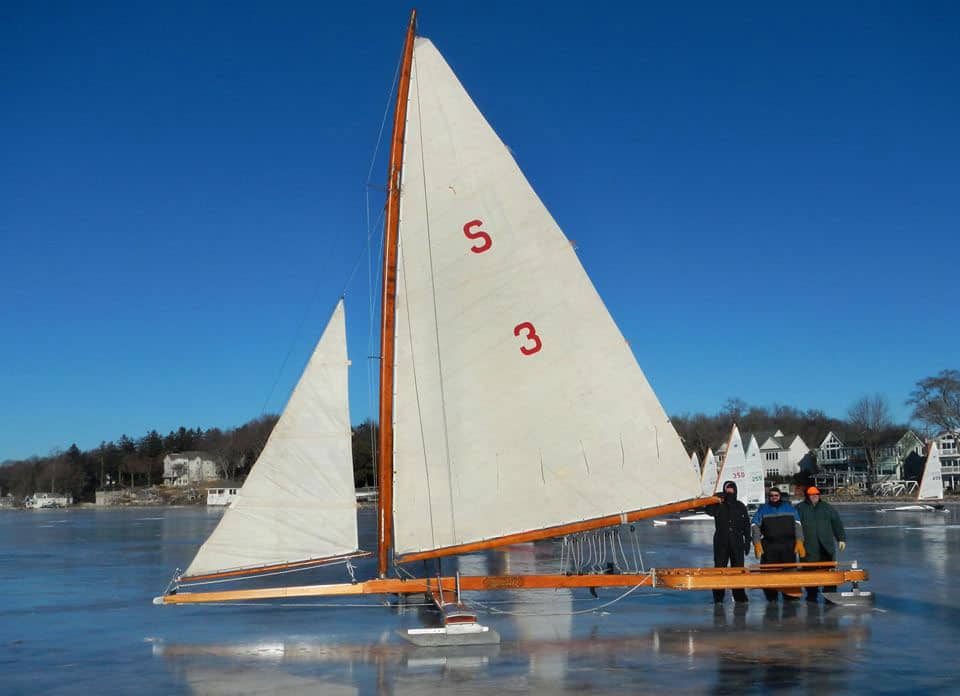
Stern-Steerers on Lake Monona at the 2016 Northwest. Photo: Joe Stanton
The Wisconsin Stern Steering Association regatta has been postponed to February 21 and 22, 2026. The next update will be Sunday, Feb 15. Check back here at that time. The Northwest Ice Yacht Association regatta takes precedence and has been scheduled for this coming weekend, Feb 13-15.
Andy Gratton
WSSA Secretary/Treasurer
Like this:
Like Loading...
by Deb Whitehorse | Feb 9, 2026 | 2025-2026, Home Page, WSSA

Photo: Brian Donahue for Red Bank Green
ice sailors never forget! Talk about patience, this is next level. Congratulations to the Hudson River crew on winning back the Van Nostrand Cup after 135 years and for keeping this remarkable piece of ice sailing history alive. And thank you to Red Bank Green, the independent local news outlet, for giving this regatta practically play by play and for their continuing coverage of ice sailing at Red Banks.
As the boat built by 19th-century architect Archibald Rogers came to a stop after their second straight win in the best of three, skipper Luke Lawrence and sheet tender Max Lopez exchanged hugs and gloved high fives with friends and family. One of several drones filming the action crashed into the sail and fell to the ice.
Then, Lawrence paused for a quiet emotional moment, kneeling silently in the basket amid the hoots and hubbub.
“I did this one for pop pop,” he said a few moments later, referring to his grandfather, Bob Lawrence, a boat builder and sailor. “He won a lot of stuff, but never this one. So this one is for him. Read more
Like this:
Like Loading...
by Deb Whitehorse | Feb 9, 2026 | Home Page, Regattas, WSSA

The Wisconsin Stern Steering Association regatta for 2026 has been tentatively called on for February 14 and 15. The site selected is Green Lake. Final confirmation will be made by 1 PM Thursday, February 12. Check back here after that time. The Northwest Ice Yacht Association has scheduled their regatta for the same weekend and place, that regatta takes precedence. There is some snow on the ice that needs to melt down, or at least remain soft for the regatta.
Andy Gratton
WSSA Secretary/Treasure
Like this:
Like Loading...